

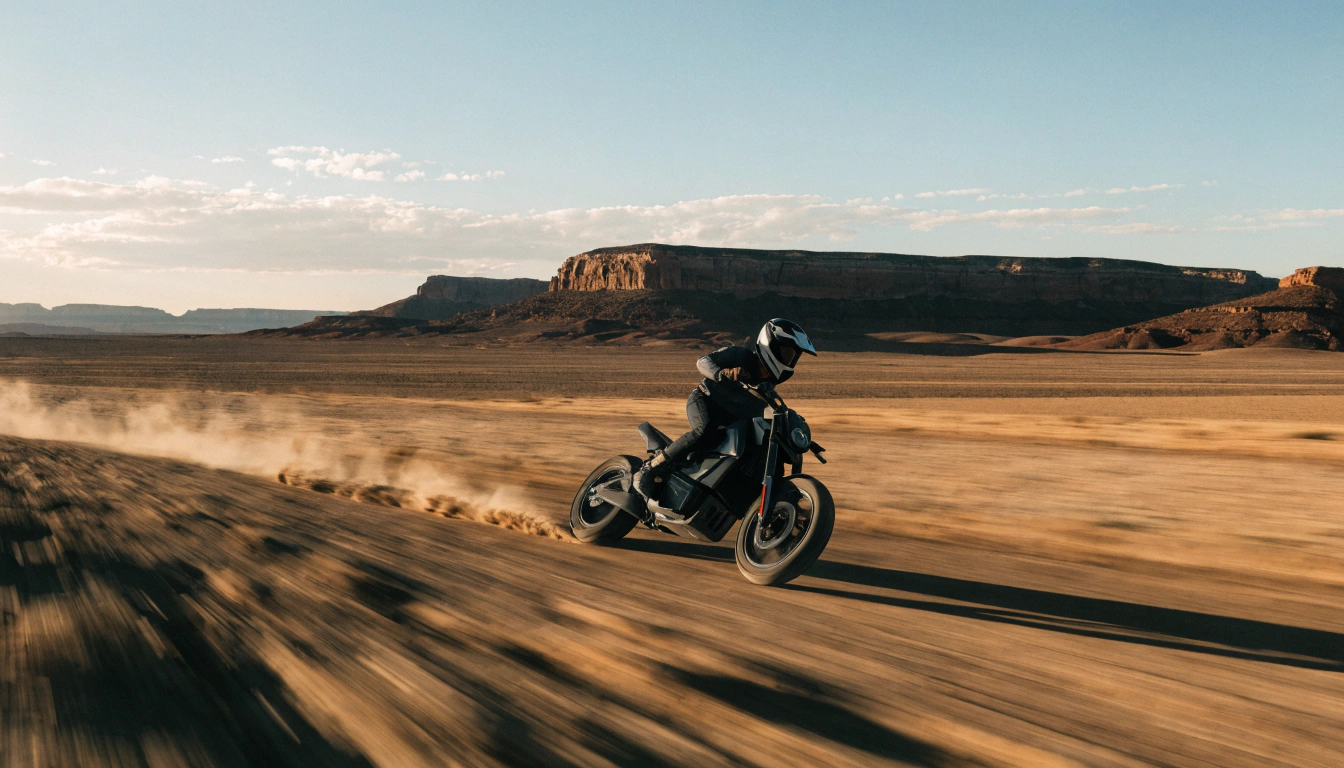
How Fast Is a 72V 5000W Electric Bike in MPH? (Real Top Speed)
Jake spent a week reading about watts — forums, spec sheets, YouTube comment fights. One post swore a 5000W build would do 80 mph; another said 45 and called him a liar. When he finally rode a 5000W bike across loose hardpack outside Phoenix, he sat at about 40 mph the whole time, because at 40, with rocks jumping out of the dust, that already felt like plenty.
That gap is the whole story. The number on the box versus the number under your right hand. One correction first, though, because most people typing this into Google are really shopping for one specific machine: the Adult Electric Off-Road Motorcycle. If that's you, the real off-road builds are over at Valtinsu electric dirt bikes.
|
Short version:
40 to 60 mph for most 5000W setups. On flat pavement with a healthy 72V pack and a controller that lets the motor breathe, some creep past 60. Bolt on knobby tires and trail gearing and that same motor might sit closer to 40 instead, spending its power on torque and control rather than pure speed. Watts are power; speed is what you actually get after voltage, gearing, rider weight, tires, and terrain all have their say.
|
How Fast Is 5000W in MPH?
Call it 40 to 60 mph. That's the honest band. The bottom is a heavy trail bike on aggressive tread. The top is a stripped, tuned build on slicks with a 72V battery and a controller that isn't holding anything back. Most people land in the messy middle somewhere.
Here's the part the spec sheets gloss over. A 5000W motor has the muscle for real speed, hard launches, and ugly climbs. No argument. But the motor doesn't decide on its own. A heavier rider, half a battery, a gusty afternoon, gearing built for grunt instead of revs, any of those will quietly shave 10 mph off the dream figure. Flip it around with a light rider, slick tires, and a hot controller, and you claw a chunk of it back.
What 5000W tends to do, by build
|
Setup
|
Typical Top Speed
|
Why
|
|
Heavy off-road build, knobby tires
|
40-47 mph
|
Geared for torque; tread drags on pavement
|
|
Balanced 72V build, mixed tires
|
47-55 mph
|
Enough voltage to hold speed without forcing it
|
|
Light tuned build, road tires
|
55-60+ mph
|
Low weight, slick rubber, high-current controller
|
Read the high numbers as best-case and move on. Manufacturers test with a feather-light rider, a full charge, and a flat road on a calm day. Your Tuesday-afternoon number lives somewhere under that. Always has.
5000W Speed by Vehicle Type
Bolt the same 5000W to three different machines and you get three different rides. Frame, tires, what the thing was built to do. That matters more than the watt rating most shoppers fixate on.
5000W Electric Bike Speed
Built for the road, a 5000W e-bike will often see 45 to 60 mph. Rear hub motor, big wheel, 72V pack, slick tires, that combo lives near the top. Just don't let the bicycle silhouette fool you. At 50 mph the braking, the grip, the stress through the frame are all motorcycle problems, and a regular bike frame wasn't drawn up for them.
5000W Electric Dirt Bike Speed
A dirt bike in this class can hit 40 to 60 mph too. Plenty of them are tuned the other direction, though, for more low-end pull, better climbing, a cleaner throttle on loose ground. The knobby tires that grip dirt so well are the exact thing slowing you down on tarmac. That's the trade you're making, and for trail riders it's usually the right one.
|
VALTINSU EM-5 PRO - Adult Electric Off-Road Motorcycle
60V geared motor - 4,800W peak - 240 N.m torque - 70 km/h (43 mph) top speed - 60V 27Ah lithium - IPX6 - Black or Volt Green - Age 18+ (adults only). A trail-focused build sitting right in the 5000W neighborhood. The geared motor lays its torque down low in the rev range, which is the part you actually feel halfway up a fire road.
From $1,699 USD - Free U.S. shipping - View the EM-5 Pro
|

Take the EM-5 Pro as a real example near this power band. A 60V 4800W peak geared motor, a listed 43 mph top speed. Notice what it doesn't do. It doesn't chase one giant MPH headline. It balances speed against torque, suspension, and brakes, which is what a trail bike should do. It's an Adult Electric Dirt Bike, rated 18+, off-road only. Not a street-legal e-bike, and it doesn't pretend to be.
5000W Scooter or Electric Motorcycle Speed
Put a 72V 5000W system in a scooter or a motorcycle-style frame and you're looking at 50 to 65 mph when the rest of the bike can back it up. Stronger frames, wider tires, better brakes, all built for road speed. They weigh more, so the launch softens, but they hold a line when you're moving. And they almost always fall outside e-bike rules, which matters later.

What 72V and 5000W Actually Mean for Speed
Two numbers, two completely different jobs. People mash them together and expect one MPH answer to fall out. Doesn't work like that.
What 72V Means
That's battery voltage, and more of it lets the motor spin faster while staying efficient at speed. You've probably seen the classic example play out: a 48V e-bike running out of puff around 28 mph while a 72V machine just keeps pulling. Voltage can't save a sloppy build on its own, mind you. What the controller allows, how good the cells are, where the current ceiling sits, all of that decides how much actually makes it to the back wheel.
What 5000W Means
Five kilowatts. That's around 6.7 horsepower if you want it in numbers you can picture — basically a small gas scooter, and way over the 750W that most legal e-bikes are boxed into. So yeah, there's enough there to launch hard off the line, drag you up something steep, haul a heavier rider, sit at speed without straining. Enough to, is the thing. Not the same as it actually will. I've seen two motors both stamped 5000W ride like they came from different planets — one of them all low-end shove, the other one happiest spun out near the top.
How Voltage and Power Work Together
Easiest way to picture it: voltage sets the ceiling, wattage is the muscle that gets you up to it and keeps you there. A 72V 5000W setup leaves more headroom than a lower-voltage build with the same motor, and it feels stronger right through the middle of the rev range, which is where you actually spend your ride. None of that beats bad gearing or a tired battery or worn knobbies on a chewed-up trail. Balance wins. One hero spec never does.

Factors That Change a 5000W Bike's Top Speed
Everyone wants a single clean number. The bike won't give you one. Same motor, two riders, two completely different days. Here's where the speed actually goes.
Weight comes first. A lighter rider launches harder and tops out higher; a loaded rack or a bigger rider shows up most on the climbs and the soft stuff. Battery state matters nearly as much. A full pack pushes strong voltage, and as the charge bleeds off, so does your speed and your snap. A small battery might run the motor fine but can't feed high-speed output for long.
Then there's the controller, the quiet variable nobody brings up. Two bikes, identical 5000W motors, have a totally different feel, because one controller is set conservative and the other isn't. More current buys you acceleration and a hotter motor in the same breath.
Tires pull their weight here too. Slick road rubber rolls faster than knobby tread, and low pressure that grips dirt beautifully will drag you down on pavement. Surface and wind finish the job. Flat tarmac hands you the big number, while dirt, gravel, sand, and a stiff headwind all carve into it. A 20 mph gust can pull real speed off a fast bike. And drag climbs hard past 40, so a tucked rider beats an upright one every time. Loose jacket, wide bars, full backpack, all of it costs you.

5000W vs 3000W, 1000W, and Legal E-Bike Speeds
Put 5000W next to the everyday stuff and the gap is obvious. Most legal U.S. e-bikes are built around 750W or less, with speed caps set by class. Here's roughly where the common ratings land once you're actually riding.
|
Motor Power
|
Typical Real-World Speed
|
Notes
|
|
1000W
|
28-35 mph
|
Stronger than a 500/750W commuter; often capped lower by class rules
|
|
3000W
|
40-50 mph
|
Already past bike-path territory; treat it as high powered
|
|
5000W
|
40-60 mph
|
Small-scooter power; usually classed as motorcycle or OHV
|
|
72V 5000W
|
45-65 mph
|
Voltage helps it hold the upper end on flat ground
|
About those 20 and 28 mph caps. Federal rules call a low-speed electric bicycle one with working pedals, a motor under 750W, and a motor-only top speed under 20 mph for a 170-pound rider (15 U.S.C. 2085). States mostly cap Class 1 and Class 2 at 20 and Class 3 pedal-assist at 28. A 5000W machine isn't anywhere near that box, and that's exactly what changes where you're allowed to ride it.
Is a 5000W Bike Street Legal?
Mostly no — at least not the way you'd ride a normal e-bike. The motor's sitting well past the 750W line that most e-bike rules draw, so what happens next depends on your state. Could get called a moped. A motor-driven cycle. An electric motorcycle. An off-highway vehicle. Pick your label.
The wayNHTSA sees it, once a two-wheeler can do more than 20 mph and has road gear bolted on, it's a motor vehicle under federal safety rules. Which means the full list comes with it: registration, DOT lights, mirrors, a horn, DOT tires, a road-legal VIN, insurance, a motorcycle license. That's what public roads ask for. And the class system lands in the same place — Class 3 taps out at 28 mph (PeopleForBikes).
|
Off-road versus public road:
On private land, an OHV park, or a marked off-road area where it's allowed, a 5000W-class dirt bike is the right tool. None of that makes it legal in a bike lane or down your street. Sort out where you'll ride before you buy, and definitely before you start modifying. Valtinsu's off-road bikes are built for trails and recreation, not the road.
|

Should You Buy a 5000W-Class Off-Road Bike?
This power suits riders who already get speed, braking, terrain, and the local rulebook. First time on anything fast? It's a handful. But for experienced riders, real off-road use, and private land, it's a great fit, as long as the bike was built for the job and isn't just a basic frame with a big kit strapped on.
Starting out, or buying for a younger rider? Skip the watt-chasing. The Valtinsu EM-5 runs a 48V geared motor with 190 N.m of torque and a 37 mph top speed across three modes, and it's the only bike in the lineup rated 13+. Smarter place to begin before you step up to something stronger.
|
Which Valtinsu Fits Your Riding?
EM-5 - Ages 13+ - Trail Starter. 48V - 3,840W peak - 190 N.m - 37 mph - IPX6. Three modes (25/40/60 km/h). The only model rated under 18. View EM-5 - $1,259
EM-5 Pro - Adults 18+ only - Performance Trail. 60V - 4,800W peak - 240 N.m - 43 mph - IPX6. Black or Volt Green. Geared motor for fire roads, singletrack, 30-degree grades. View EM-5 Pro - $1,699
Age rule, no exceptions: EM-5 = 13+ - EM-5 Pro = 18+ adults only. Buying for someone under 18 means the EM-5.
|

Conclusion
So how fast is 5000W in mph? In the real world, 40 to 60. A light road built on a 72V pack can brush the top of that. An off-road bike geared for grunt sits lower and somehow feels just as quick once there's dirt under the tires. Watts hand you the potential. Voltage, gearing, weight, tires, and terrain decide what you actually get.
And honestly, for most riders the top speed isn't even the point. It's the launch, the climbing, the control on loose ground that separates this power band from a normal e-bike. Just keep in mind where 5000W sits legally, well above the e-bike line in most places, which means public roads come with registration, a license, and real gear, or you keep it off-road where it made sense in the first place.
The question worth answering isn't how fast it'll go. It's how fast you need, and where you're going to ride. Sort that out and the right bike, and the right wattage, stops being a mystery.
FAQs
How many mph is 5000 watts?
Most 5000W setups fall in the 40–60 mph range. What you actually see depends on a few big variables:
-
What type of bike it is (road e‑bike, dirt bike, scooter, etc.).
-
Rider and bike weight.
-
Tire type and pressure (slicks vs knobbies).
-
Battery charge level and health.
-
How aggressive the controller settings are.
Load it up with a heavier rider, off‑road tires, and a tired battery and you are likely near the low‑40s. Strip things down with road tires, a strong pack, and a free‑breathing controller and it pushes toward the top of that 40–60 mph band.
How fast would a 5000W motor go?
In practice, a 5000W motor usually delivers that same 40–60 mph window. The motor is only half the story; the rest comes from what it is bolted into:
-
Wheel size and overall gearing.
-
Frame style and intended use (street vs trail).
-
Aerodynamics and rider position.
-
Controller limits on power and current.
A road‑focused build chasing speed will climb into the upper 50s, while a trail build tuned for torque and control is happy staying lower and trading a few mph for climbing power and traction.
How fast is 72 volts 5000 watts in mph?
A 72V 5000W system is typically in the 45–65 mph range under ideal conditions. The extra voltage mainly helps with:
-
Higher motor rpm for more top‑end speed.
-
Better ability to hold speed without feeling “out of breath.”
-
Reduced current for the same power, which can help with efficiency and heat.
On flat pavement with a decent controller and a strong battery, a 72V 5000W bike will keep pulling where a similar 48V build would already be fading.
How fast is 5k watts in mph?
5k watts is just another way of saying 5000W, so you are still looking at roughly 40–60 mph. The difference comes from setup, not the way you write the number:
-
Same motor stamped “5000W” or “5kW” makes no difference.
-
The frame, gearing, tires, and rider weight are what push you up or down that range.
-
Claims well above that are usually based on ultra‑light custom road builds in perfect conditions.
For normal bikes and normal riders, plan around the honest 40–60 mph band instead of chasing one-off hero numbers.
Is 5000W a lot of power?
Yes — 5000W is roughly 6.7 horsepower, which is a lot for anything shaped like a bicycle. That puts you in small‑scooter territory and means three things:
-
You are far above the 750W limit used in most low‑speed e‑bike rules.
-
Acceleration, climbing ability, and cruising speed are all on a different level from commuter e‑bikes.
-
Many states will stop treating it as an “e‑bike” and classify it more like a moped, motorcycle, or off‑highway vehicle.
So yes, 5000W is plenty — enough that you need to think in terms of motorcycle habits, gear, and laws rather than casual bike‑path riding.
How fast is 3000W in mph?
A 3000W system usually lands around 40–50 mph in real‑world use. It still shares the same moving parts:
-
Rider weight and cargo.
-
Tire choice and terrain.
-
Controller tuning and battery condition.
Compared with 5000W, it gives you a bit less punch and top speed, but it is still well beyond safe bike‑path speeds. Treat it as a high‑powered machine, not an entry‑level commuter.
What e‑bike can go 70 mph?
Only a handful of custom builds and motorcycle‑style electric bikes can reach 70 mph. They usually combine:
-
High system voltage and high power (well beyond 5000W).
-
Motorcycle‑grade frames, brakes, and tires.
-
Aggressive controllers and tuning.
At that point, you are firmly in the same legal space as gas motorcycles on public roads, with the same expectations around licensing, registration, and insurance, no matter what the marketing called it.
Is 48V 1000W legal?
A 48V 1000W setup often sits outside standard e‑bike rules, but the exact answer depends on your local laws. Many regions follow a framework where:
-
Legal e‑bikes are capped around 750W.
-
Top speed under motor power is limited (often 20–28 mph).
-
Anything above those limits can be bumped into moped or motorcycle categories.
A 1000W motor is over that common 750W line, so it is safer to assume it will not count as a simple e‑bike on public roads. The only reliable move is to check your own state or country’s rules before riding it in traffic.
Sources
-
Cornell Law School (15 U.S.C. 2085) - Low-Speed Electric Bicycle Definition
-
Electronic Code of Federal Regulations - 16 CFR Part 1512 Bicycle Requirements
-
PeopleForBikes - Electric Bike Class System
-
Valtinsu - Electric Dirt Bike Collection
-
Valtinsu - EM-5 Electric Off-Road Adult Dirt Bike
-
Valtinsu - EM-5 Pro Advanced Electric Dirt Bike


Looking for something else?
Electric Dirt Bike Setup for Hardpack Trails
LEARN MORE
Electric Dirt Bike Mud Riding: Setup, Technique and Cleanup
LEARN MORE
Can You Ride an Electric Dirt Bike on Forest Service Roads?
LEARN MORE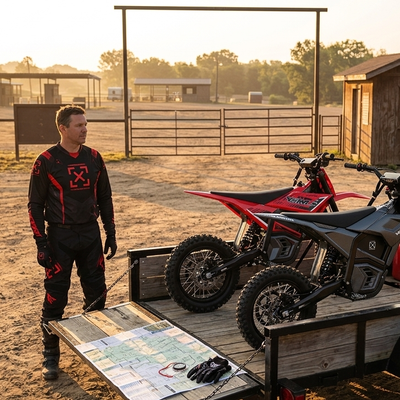
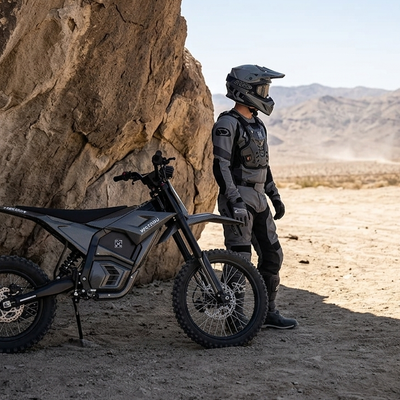
Electric Dirt Bikes at OHV Parks: Rules and Checklist
LEARN MORELooking for something else?
Hot-Weather Electric Dirt Bike Guide: Battery, Rider and Range
LEARN MORE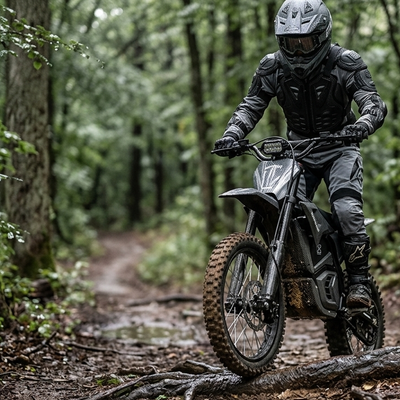
How to Ride an Electric Dirt Bike Over Wet Roots
LEARN MORE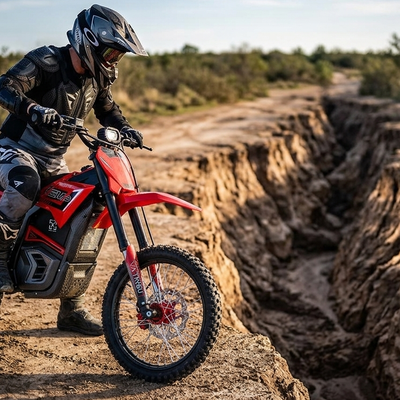
Electric Dirt Bike Ruts and Washouts: Line Choice and Recovery
LEARN MOREYou may also like
VALTINSU EM-5 Off-Road Electric Dirt Bike
€1.299,00
€1.599,00
VALTINSU EM-5 Pro Off-Road Black Electric Dirt Bike
€1.699,00
€1.899,00
VALTINSU EM-5 Pro Green Electric Dirt Bike
€1.699,00
€1.899,00
Further reading
Electric Dirt Bike Tire Pressure by Terrain: PSI Starting Points
Electric dirt bike tire pressure should start with the exact tire and motorcycle limits, then change with terrain, rider load, tire construction and impact risk. Softer ground usually favors a lowe...
Electric Dirt Bike Suspension Sag Setup: A Rider-Weight Method
Electric dirt bike suspension sag setup starts by measuring the rear suspension fully extended, then measuring it again with the bike alone and with you in full riding gear. Use those readings to e...
Your First 100 Miles on an Electric Dirt Bike: Break-In and Service Checklist
The first 100 miles on an electric dirt bike are an inspection period rather than a gas-engine-style mechanical break-in. Check the motorcycle at 0, 25, 50 and 100 miles for hardware settling, chai...
Electric Dirt Bike Ground Clearance vs Suspension Travel: What Each Number Means
Electric dirt bike ground clearance is the vertical space between the ground and the motorcycle’s lowest relevant chassis point, while suspension travel is how far the wheel and suspension can move...