How to Store an Electric Dirt Bike Battery Safely: Charge Level, Temperature and Long-Term Storage
Long-term battery storage is not just a percentage. Charge level, temperature, moisture, pack condition and the approved charger all affect safety and battery aging.
Use the exact model instructions first. Then store the clean, dry bike or battery at a moderate approved charge in a stable location, record its condition, inspect it periodically and restart it deliberately. If the manual is missing or the pack is damaged or faulted, contact Valtinsu support before charging or storing it.

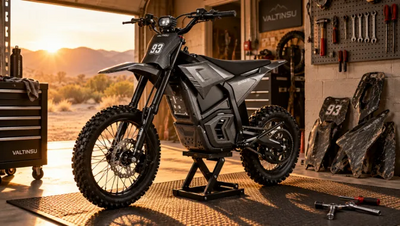
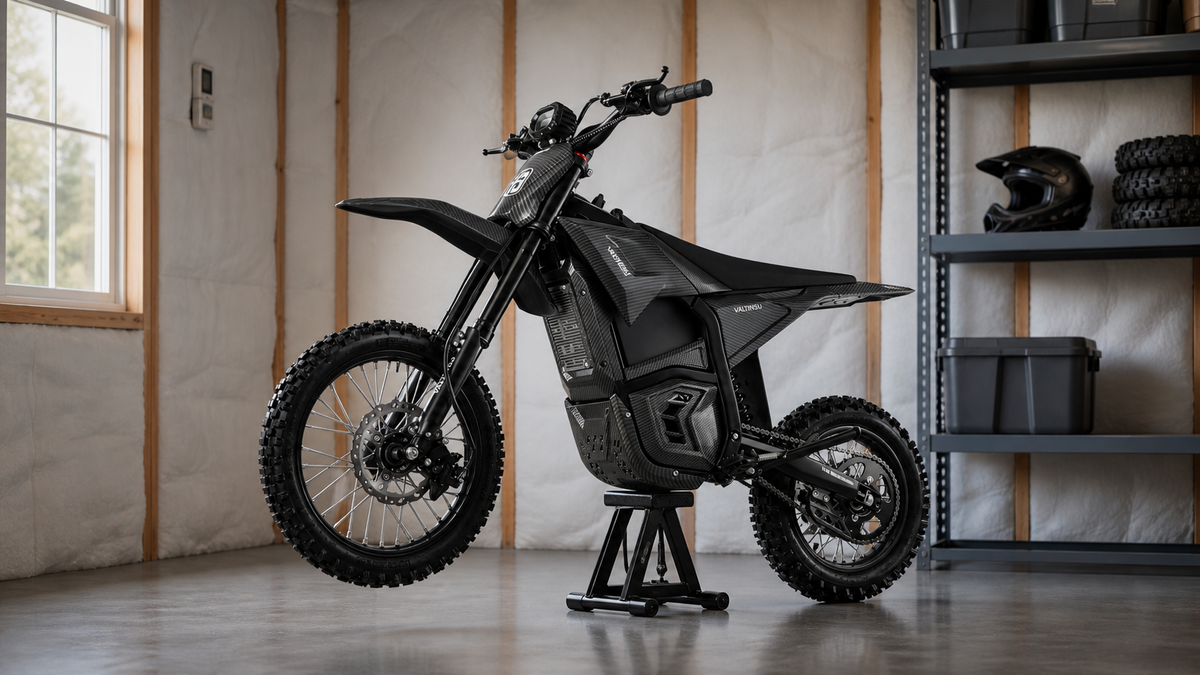
Figure 1. A safe storage setup begins with a clean, dry, powered-off bike in a stable, inspectable location.
Quick Answer
For long-term storage, do not park an electric dirt bike with a depleted battery and do not assume that 100% is the correct target. Use the storage range specified for the exact battery; if the manual is unavailable, contact qualified support rather than borrowing a percentage from another battery system.
- Use only the charger supplied or approved for the exact model.
- Store the clean, dry bike or removed battery in a cool, dry, stable location that follows the manual’s temperature limits.
- Record the date, displayed charge, room conditions and visible battery condition.
- Check the stored system about monthly, but do not automatically recharge it on every check.
- Stop if you find swelling, impact damage, leakage, corrosion, melted or discolored connectors, unusual odor, abnormal heat or a repeatable fault.
A safe storage plan combines the correct battery, approved charger, model-specific charge level, suitable temperature, physical inspection, periodic checks and a controlled restart.
First Decide What “Storage” Means
Classify the situation before choosing a charge target.
A few days to about two weeks
For a normal break, store the bike healthy, cool and dry, and avoid leaving the battery depleted. A wet, unusually hot or crash-affected bike needs inspection first.
Several weeks or a season
Use the full long-term routine: set the approved storage charge, clean and dry the system, record a baseline and schedule checks.
After a crash, fault or water exposure
Do not treat a struck, crushed, submerged, overheated, opened or electrically damaged pack as routine storage. Do not charge it to test it; keep people away and contact support or qualified battery service.
Shipping or commercial storage
Carrier, dangerous-goods and local rules apply. Confirm the current requirements with the carrier and Valtinsu before packing or tendering the battery.

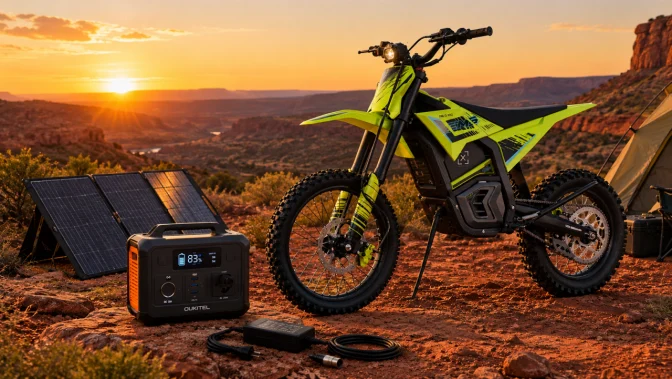
Figure 2. Record the model, displayed charge and charger identity before the bike enters long-term storage.
Choose the Storage Charge Level Without Inventing a Universal Rule
For long-term storage, use a moderate state of charge approved for the exact battery. Valtinsu’s maintenance guidance gives 30–60% as an example; Bosch publishes the same range for its own e-bike batteries. These figures support the general principle, but the delivered Valtinsu manual remains the operating authority.
Do not store the pack depleted. Self-discharge can reduce the remaining reserve and make a later restart difficult. Do not automatically charge to 100% either: a full charge is useful before a ride, not necessarily before months of storage.
Record the target and its source. Avoid repeatedly switching the charger, running the motor in place or intentionally draining the pack to hit an exact display number. The gauge is an estimate; an approved range is more useful than false precision.

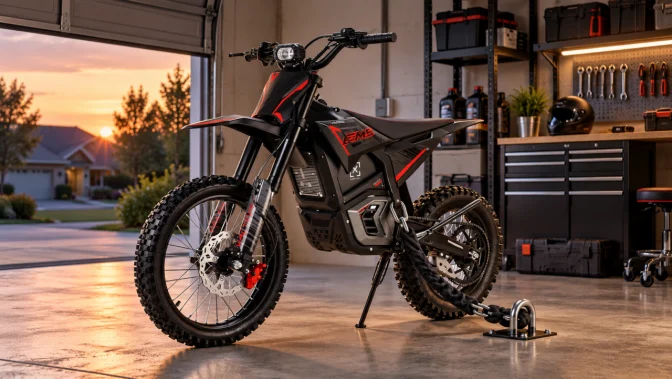
Figure 3. The best storage space is cool, dry, stable, inspectable and separated from direct sun and combustible clutter.
Temperature and Location: Stable Beats Merely “Indoors”
Choose a cool, dry and stable location within the battery manual’s limits. An unconditioned garage can freeze, overheat, flood or develop condensation, so “indoors” by itself is not enough.
Avoid direct sun, rapid temperature swings and combustible clutter. Clean and dry the bike before storage, especially around the battery connector and charge port. Water resistance does not permit submersion, pressure washing or wet charging.
Keep the battery visible for inspection, protected from impact and inaccessible to children. Do not improvise a sealed container that can trap heat or hide a developing fault.
Condensation Is a Charging Problem, Not Just a Storage Detail
Moving a cold battery into warm, humid air can create moisture on the enclosure and connectors. Leave the charger disconnected while the pack returns naturally to the manual-approved charging temperature, then inspect the port before charging.
Do not use a heater, hair dryer or sealed box to speed the transition. Record the move in the storage log if temperature changes are substantial; “allowed to stabilize and confirmed dry” is more useful than “stored in a garage.”
Match the Battery, Charger and Instructions to the Exact Model
Before storage, identify the bike, battery and charger from their labels. Different models and hardware revisions may use different electrical systems, so similar plugs or cases do not prove compatibility. Use the current electric dirt bike collection only to confirm the model family; the component labels and delivered manual remain the operating authority.
Store the approved charger dry, labeled and disconnected, with its cable protected from crushing or sharp bends. Never test an uncertain charger on the battery.
A moderate storage charge does not override condition. Do not charge a pack that is hot, cold, wet, damaged, faulted or electrically altered. Hardware revisions and replacement packs can also change the applicable instructions, so use documents supplied with the actual components.
Pre-Storage Checklist
Complete these steps with the bike powered off and the charger disconnected. Stop if any inspection reveals damage or a fault.
- Confirm the exact model, battery and approved charger.
- Review the current manual for storage charge, temperature, removal and restart instructions.
- Let the battery cool or warm naturally into the permitted charging range, and make sure it is dry.
- Inspect the enclosure, mount, charge port, connector and visible wiring for damage, swelling, corrosion, discoloration or contamination.
- Set the approved storage charge, then disconnect the charger when the instructed process is complete.
- Record the displayed charge, location and visible condition; secure the bike against movement or unauthorized use.
- Schedule the next inspection for about one month, unless the manual specifies another interval.

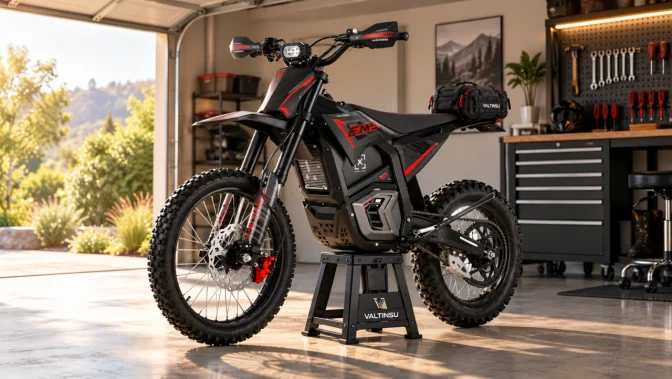
Figure 4. If the manual permits removal, support the pack on a stable nonconductive surface and protect the connector.
Battery Installed or Removed?
There is no universal answer. Remove the pack only when the model instructions permit it and doing so improves temperature control, security or inspection.
If the battery stays installed, power the bike fully down and account for alarms, trackers or accessories that may continue drawing power. If it is removed, support its weight, protect the contacts from contamination and impact, and never open the enclosure.
Build a Storage Record That Can Catch Change
Use a Consistent Storage Record
Record the model, displayed charge, storage location, approximate room condition, whether the pack is installed or removed and the approved charger. Add a brief note about the enclosure, port, cable and connector; one clear photo can help document later changes.
Read the same display under similar temperature conditions. Battery percentages and bar graphs are estimates, so compare trends instead of chasing a precise number. If the reading approaches the manual’s lower storage boundary, follow the approved top-up procedure. Rapid, repeatable loss or a new fault needs support, not repeated charging.
Whenever you charge, record the reason, starting and ending display and anything unusual. Do not leave the charger connected as a storage maintainer unless the exact manual explicitly authorizes it.

Figure 5. A consistent monthly inspection can reveal charge drift, moisture or condition changes before restart day.
The Monthly Storage Check
Valtinsu’s maintenance guidance recommends checking a stored battery about monthly. Inspect first; recharge only when the manual’s storage range or a documented trend calls for it.
Check and record:
- Date, room condition and displayed charge under comparable temperature conditions
- Battery enclosure and mount: no swelling, cracks, impact, leakage or discoloration
- Charge port, connector and visible wiring: clean, dry and unchanged
- No unusual odor, warmth, corrosion, moisture or fault code
- Any action taken and the instruction that supported it
A single gauge change does not diagnose battery health. Look for a repeatable trend; unexplained rapid loss, a pack that will not remain off or a new physical change should end the routine and trigger support.

Figure 6. Restart deliberately: inspect, charge by the manual, then begin with a short conservative ride in a permitted area.
Restarting After Long-Term Storage
Reactivation should reverse the storage process deliberately. Do not move the bike from a cold or hot location and immediately demand a full charge or high-power ride.
- Inspect the storage area, battery, mounts, tires, brakes, controls, wiring and connectors before connecting the charger.
- Allow the bike and battery to stabilize inside the manual-approved charging temperature range. Surface temperature alone may not represent the center of a large pack.
- Use only the approved charger and a suitable charging location. Follow the exact connection sequence and indicator meanings in the manual.
- Stay alert for warning lights, odor, unusual sound, abnormal heat, interrupted charging or a connector that becomes discolored or loose.
- After charging, perform the ordinary pre-ride inspection and begin with a short, conservative ride in a permitted area.
- Compare range, displayed charge behavior, power delivery and temperature with the pre-storage baseline. One changed reading is a clue; a repeatable pattern is evidence.
If the bike has been stored for a very long time, changed owners or lacks a trustworthy history, treat uncertainty as part of the condition. A battery-health evaluation by qualified support is more valuable than an aggressive “capacity test” performed on public trails.
Warning Signs That Stop the Process
Do not charge, ride, disassemble or continue routine storage checks when the battery or electrical system shows a serious change. Keep people away and follow the support and emergency guidance appropriate to your location.
- Swelling, deformation, a split enclosure or damage after an impact.
- Smoke, hissing, popping, unusual odor, leakage or abnormal heat.
- Melted, darkened, corroded, wet or loose charge-port and connector components.
- A battery that will not remain powered down, loses charge unusually fast or repeatedly shows a fault.
- Evidence of submersion, unauthorized opening, improvised wiring or use with an unapproved charger.
If there is smoke, fire, rapidly increasing heat or immediate danger, move away and contact local emergency services. Do not rely on an internet article to manage an active battery emergency.
Conclusion: Store for a Predictable Restart
A good storage plan is easy to audit: use the exact model instructions, record the charge level and pack condition, store the system in a stable environment, check it periodically and restart conservatively.
The goal is not to chase a perfect percentage. It is to keep the battery healthy, visible and matched to its approved charger. If the pack is damaged, behaves abnormally or lacks a trustworthy history, stop and contact Valtinsu support before charging or riding.
FAQs
What charge level should an electric dirt bike battery have for long-term storage?
Use the storage charge specified for the exact battery. If the manual gives a range rather than a single number, stay within that range and record the displayed charge; do not substitute a generic percentage from another battery system.
Can I leave the charger connected throughout winter storage?
No, unless the exact manufacturer documentation explicitly requires long-term connection. Use only the approved charger and disconnect it when the instructed charging process is complete; a generic “smart charger” label does not override the bike and battery instructions.
How often should I check a stored battery?
Check it about monthly unless the model documentation specifies another interval. A useful check records:
- Displayed charge under comparable temperature conditions
- Battery enclosure, mount, charge port, cable, and connector condition
- Moisture, corrosion, unusual heat, odor, swelling, or new fault indications
- Any recharge or other intervention and why it was needed
Should the battery be removed from the motorcycle for storage?
Only when the model instructions permit removal and the storage location is safer. Removal can improve security or temperature control, but it adds lifting, connector, contamination, and impact risks; support the pack securely and never open the enclosure.
Can I charge the battery immediately after bringing it in from the cold?
No. Let the battery stabilize naturally inside the manual’s permitted charging-temperature range, then inspect it before connecting the approved charger. Do not use external heat to accelerate warming.
What warning signs mean the battery should not be stored or charged normally?
Stop routine handling when the battery is damaged, wet, electrically altered, or behaving abnormally. Red flags include:
- Swelling, deformation, cracks, impact damage, smoke, hissing, or a chemical odor
- Abnormal heat, leakage, corrosion, discoloration, or loose connectors
- Rapid unexplained charge loss, repeated shutdowns, or persistent faults
Keep people away and obtain qualified support; if there is smoke, fire, or rapidly increasing heat, contact local emergency services.
Sources
- Valtinsu: How to Maintain an Electric Dirt Bike
- Valtinsu: Frequently Asked Questions
- U.S. Consumer Product Safety Commission: High-Energy Battery Safety
- U.S. Consumer Product Safety Commission: Lithium-Ion Battery Charger Safety Statement
- Bosch eBike Systems: Long-Term Battery Storage


Looking for something else?
Electric Dirt Bike Replacement Parts Availability: What Buyers Should Verify Before Ordering
LEARN MORE
How to Check an Electric Dirt Bike for Safety Recalls by Model and Serial Number
LEARN MORE
How to Choose an Electric Dirt Bike Repair Shop: Questions to Ask Before Service
LEARN MORE
How to Lift a Fallen Electric Dirt Bike Without Hurting Yourself or the Bike
LEARN MORELooking for something else?
Electric Dirt Bike Fall Riding on Wet Leaves: Grip, Hidden Obstacles and Braking
LEARN MORE
Electric Dirt Bike Trailside Power Loss: Recovery Plan When the Battery Is Dead
LEARN MORE